

250 Bags of Suspected Counterfeit Fertilizer Seized in Kakamega Operation
- News and Events
- Hits: 632
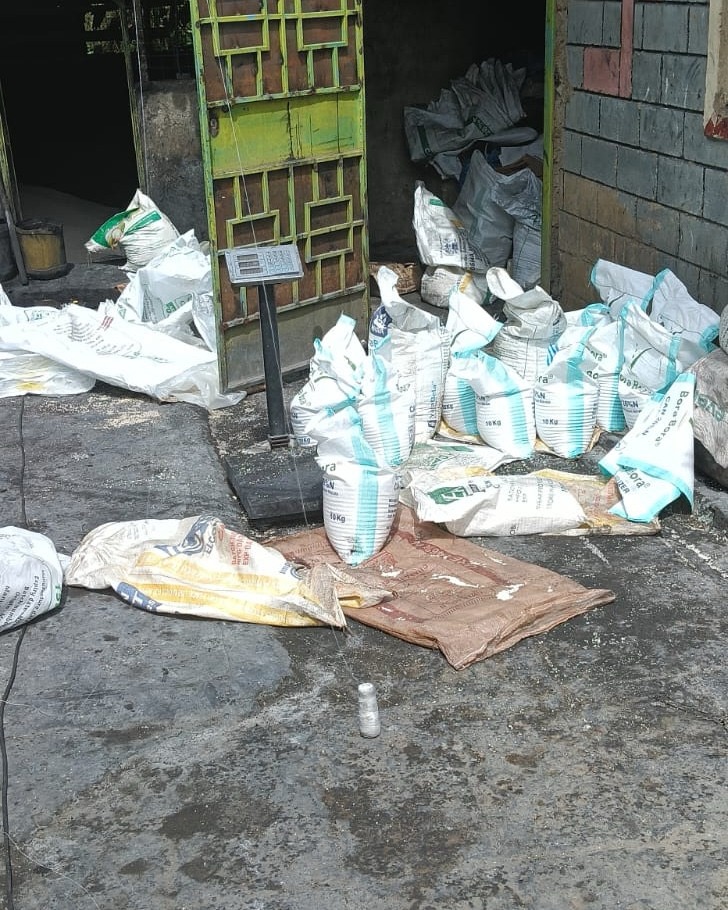
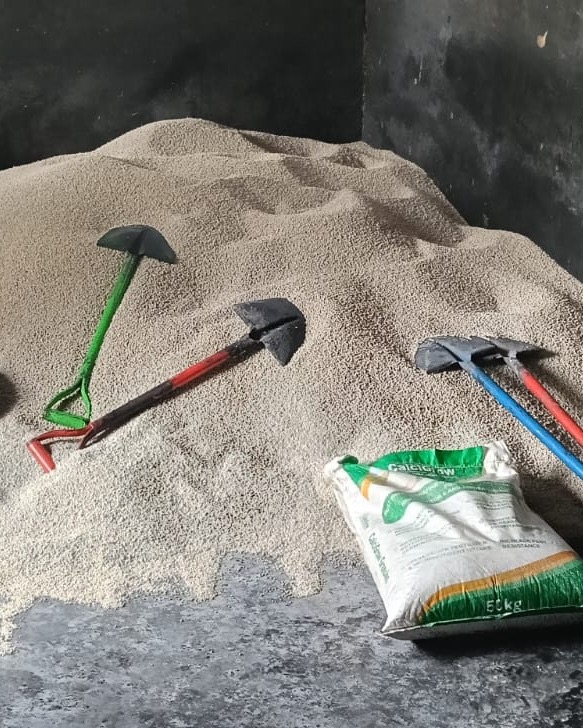
A multi-agency enforcement team has seized 250 bags of suspected counterfeit fertilizer in Kakamega County, in a major operation targeting illegal agricultural inputs at a critical time for farmers across the country.
The operation, conducted jointly by the Anti-Counterfeit Authority (ACA), the Directorate of Criminal Investigations (DCI), the Kenya Bureau of Standards (KEBS) and Government Chemists, led to the recovery of assorted fertilizer products and packaging materials suspected to be counterfeit.
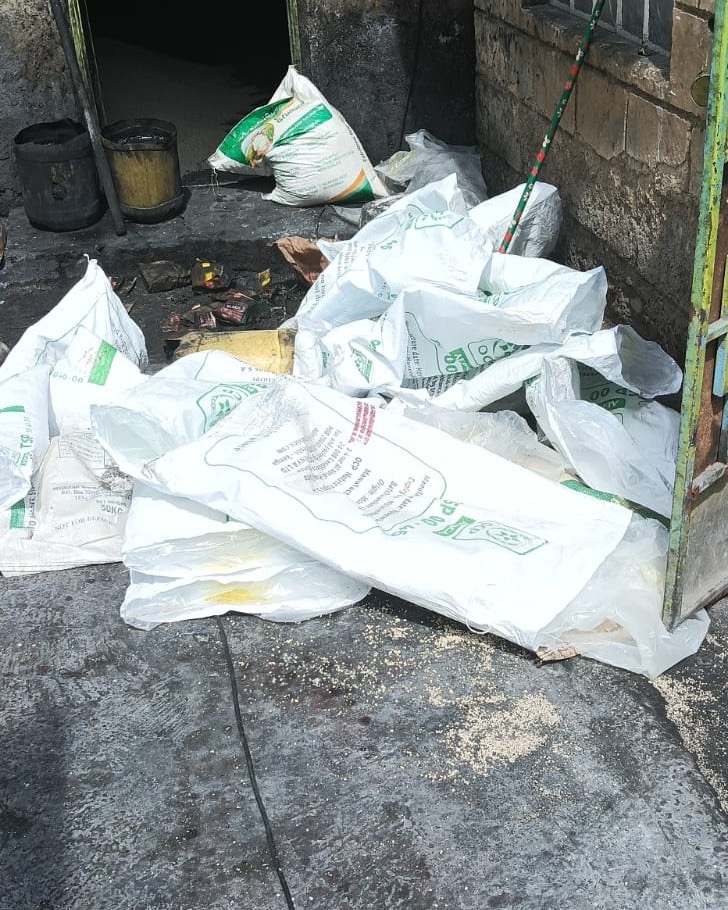
Among the items seized were various fertilizer bags, a consignment labelled as government subsidy stock marked “Not for Sale,” as well as empty packaging materials believed to have been used for repackaging and distribution of suspected counterfeit products.
The timing of the seizure is particularly significant as it comes during the ongoing rains and peak planting season, when farmers across the country are actively purchasing agricultural inputs. This period typically sees increased demand for fertilizer, making it a prime target for counterfeiters seeking to exploit farmers.
Speaking following the operation, Tom Muteti, ACA Regional Manager, Kisumu, said the seizure underscored the serious risks posed by counterfeit fertilizer at such a critical time in the farming calendar.
“The ongoing rains signal the start of the planting season, and farmers are making critical investments in inputs. The presence of suspected counterfeit fertilizer in the market at this time is deeply concerning. It directly threatens crop yields, farmer incomes and ultimately national food security,” said Mr. Muteti.
He further noted that farmers rely on the quality and authenticity of inputs to achieve expected harvests, and any compromise at this stage has far-reaching consequences.
“When farmers unknowingly use substandard or counterfeit fertilizer, the impact is felt throughout the entire production cycle—from poor crop performance to reduced harvests. This not only affects individual livelihoods but also weakens the country’s overall food production capacity,” he added.
The operation also raised concerns about the possible diversion and repackaging of government-subsidized fertilizer, undermining efforts aimed at making farm inputs more accessible and affordable to farmers.
The use of counterfeit or substandard fertilizer can lead to reduced soil fertility, poor crop development and lower yields, ultimately affecting household incomes and the agricultural economy.
The Anti-Counterfeit Authority, working closely with partner agencies, has reiterated its commitment to sustained surveillance and enforcement under the multi-agency framework, particularly during high-demand periods such as the planting season.
Farmers and members of the public are urged to exercise caution by purchasing fertilizer only from authorized and reputable dealers, verifying product authenticity, and reporting any suspicious products or activities to the relevant authorities.
The Authority emphasized that safeguarding the integrity of agricultural inputs during the planting season is critical to protecting farmer investments, ensuring food security and supporting the country’s agricultural sector.